- Get link
- X
- Other Apps
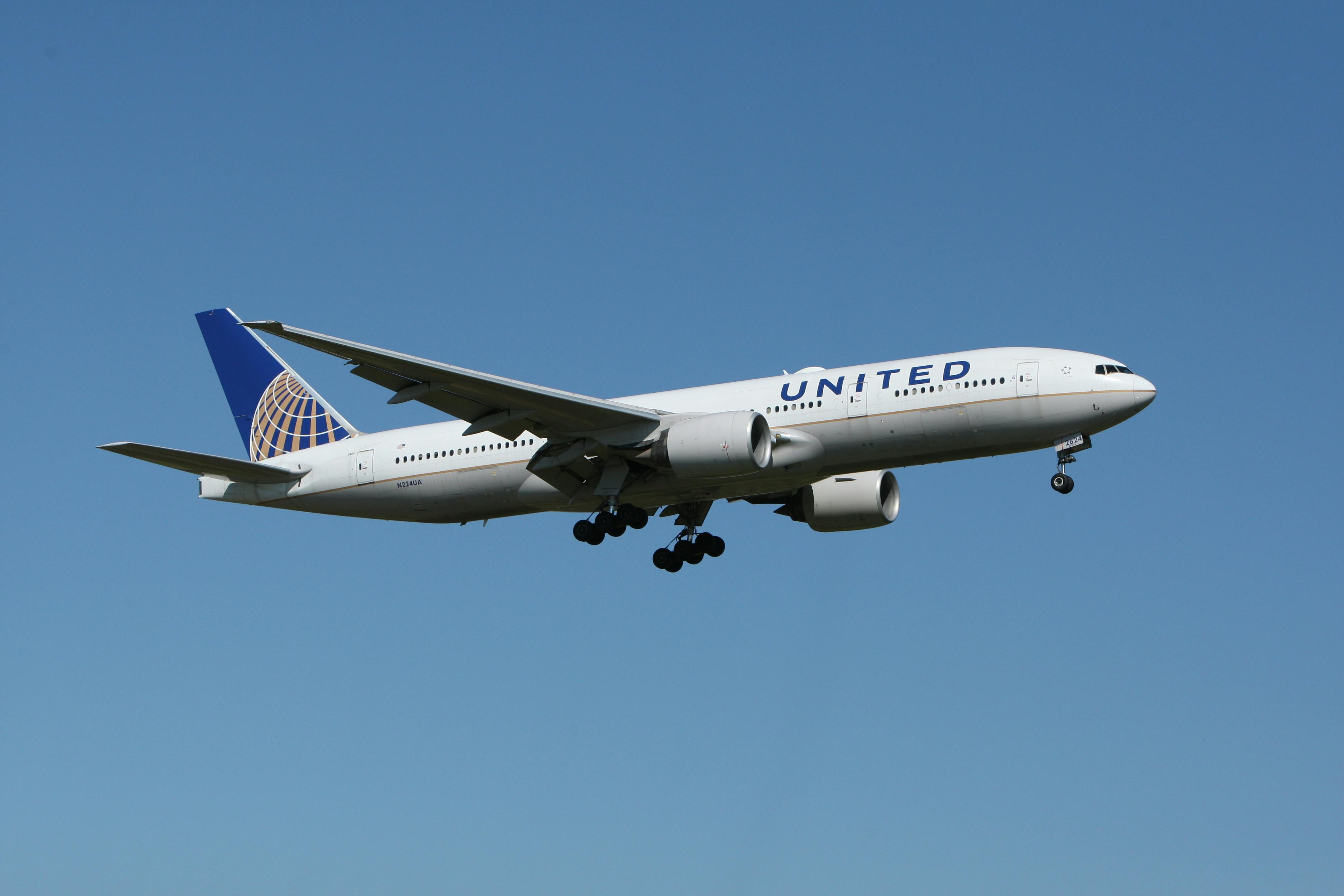
Juliane Koepcke fell two miles from the sky while still strapped to her airplane seat. She was seventeen years old, completely alone, and crashed into the dense Amazon rain forest of Peru on Christmas Eve in 1971. She did not die on impact, but she had to find a way out with a broken collarbone, a swollen eye, and no shoes.
Most people who fall from a plane do not live to tell the story. Juliane survived the long drop because her seat row landed in heavy tree branches, which slowed her fall like a net. She woke up on the jungle floor after being knocked out for hours, surrounded by thick green leaves and total silence. Her survival became one of the most famous stories in human history.
The flight that changed everything on Christmas Eve
It was December 24, 1971, and LANSA Flight 508 was flying from Lima to Pucallpa. Juliane was sitting next to her mother, Maria, excited to see her father for the holidays. About thirty minutes into the flight, the Lockheed L-188A Electra turboprop entered a dark storm cloud. Thunder shook the metal frame, and lightning struck the engine.
Juliane watched a bright white flame hit the right wing. Her mother turned to her and said, "That is the end, it is all over." Seconds later, the plane ripped open right down the middle. Wind roared around them, screaming louder than any storm Juliane had ever heard.
The aircraft snapped into pieces at 10,000 feet. Juliane was suddenly outside in the freezing air, spinning upside down in her row of three seats. The sky was pitch black, rainy, and violent. She lost consciousness while falling through the heavy storm clouds, holding onto her armrests.
She woke up nine hours later. It was morning, the rain had stopped, and she was lying on the ground under thick trees. Her glasses were gone, her right eye was swollen shut, and her white dress was torn. She had only one sandal on her foot. Her watch had stopped ticking, but she was alive.

How a teenage girl used her father's rules to live
Juliane was not an ordinary teenager. Her parents were biologists who ran a research station deep in the jungle called Panguana. She had lived in the forest for two years and knew its danger. Her father had taught her one key rule for getting lost in the woods: find water and follow it downstream.
She found a small trickle of water near her crash site. A smaller stream leads to a bigger stream, a bigger stream leads to a river, and a river leads to people. She started walking along the mud, stepping over roots and rocks with her one shoe. When her single sandal kept slipping, she threw it away and walked bare-footed.
The heat was thick and hot, reaching over ninety degrees every afternoon. Mosquitoes bit her neck, face, and legs continuously. She could not eat much because she had no food, except for a small bag of candy she picked up near the crash site. That tiny bag was all she ate for days, much like The Lost Hiker Who Survived on Snow and Sweets in another wild place.
Her right collarbone was cracked, and she had a deep cut on her calf. Flies laid eggs in her skin while she slept, and small maggots started hatching in her arm wound. The pain was awful, but she kept moving down the water. She knew stopping meant death.
Ten long days of walking through the deep rain forest
The stream grew wider every single day. Soon, the water was too deep to walk in safely, so she had to swim down the middle. This kept her away from snakes hidden under dead leaves on the shore. But the river had its own dangers, like stingrays and black caimans resting on sandbars.
Juliane heard search planes flying high above the trees every morning. She waved her arms, but the jungle canopy was so thick that pilots could not see a small girl in white below. After four days, the sound of the plane engines stopped completely. She realized she was on her own, and nobody was coming to pull her out.
She kept swimming downstream, floating on her back so she would not waste her energy. Her skin was badly sunburned from the hot sun reflecting off the water. At night, she could not sleep well because insects bit her open cuts. She counted the days by watching the sun rise above the high green treetops.
By the ninth day, Juliane could barely stand up. She had no energy left, her skin was pale, and her vision was blurry. She floated around a bend in the river and saw something incredible on the bank: a small motorboat tied to a wooden pole, and a dirt path leading up a hill. She thought she was dreaming.
The rescue at the edge of the river
She crawled up the muddy path and found a tiny wooden hut with an open front. Inside, there was an outboard motor and a bottle of gasoline. Juliane remembered how her father treated infected wounds on their farm animals. She poured gasoline over her arm, which stung terribly, but it forced thirty maggots to crawl out of her arm cut.
She fell asleep on the hard dirt floor of the hut, too tired to move any further. The next day, three Peruvian woodcutters returned to their camp. They saw Juliane lying there, bruised, bleeding, and weak. At first, they were scared because they thought she was a water spirit from local legends.
She spoke to them in clear Spanish and explained who she was. The men gave her sweet water and fried fish, washed her cuts, and put her in their boat. They rowed for seven hours down the river to a small village called Puerto Inca. From there, a pilot flew her to a hospital where her father was waiting.
Juliane was the only person who survived out of 92 passengers on Flight 508. Her story surprised doctors and jungle experts around the world. Knowing basic Survival skills kept her calm when anyone else would have given up hope. If you want to read more incredible real tales of people overcoming huge odds, check out our collection of true stories at anchor text about the topic.
What this amazing story teaches us today
Juliane went on to finish her studies and became a doctor of biology, just like her parents. She returned to Peru many times to run the same jungle research station. She wrote a book about her life and helped preserve the green forest that nearly took her life fifty years ago.
Her story shows how powerful simple knowledge can be when everything goes wrong. She did not panic when she fell from the sky, and she remembered her father's words about water. When life throws you into a terrible situation, taking one step at a time, just like following a stream, can pull you through the darkest moments.
What would you do if you were stuck all alone in a forest? Would you stay near the spot, or start walking downstream like Juliane did?
Comments
Post a Comment